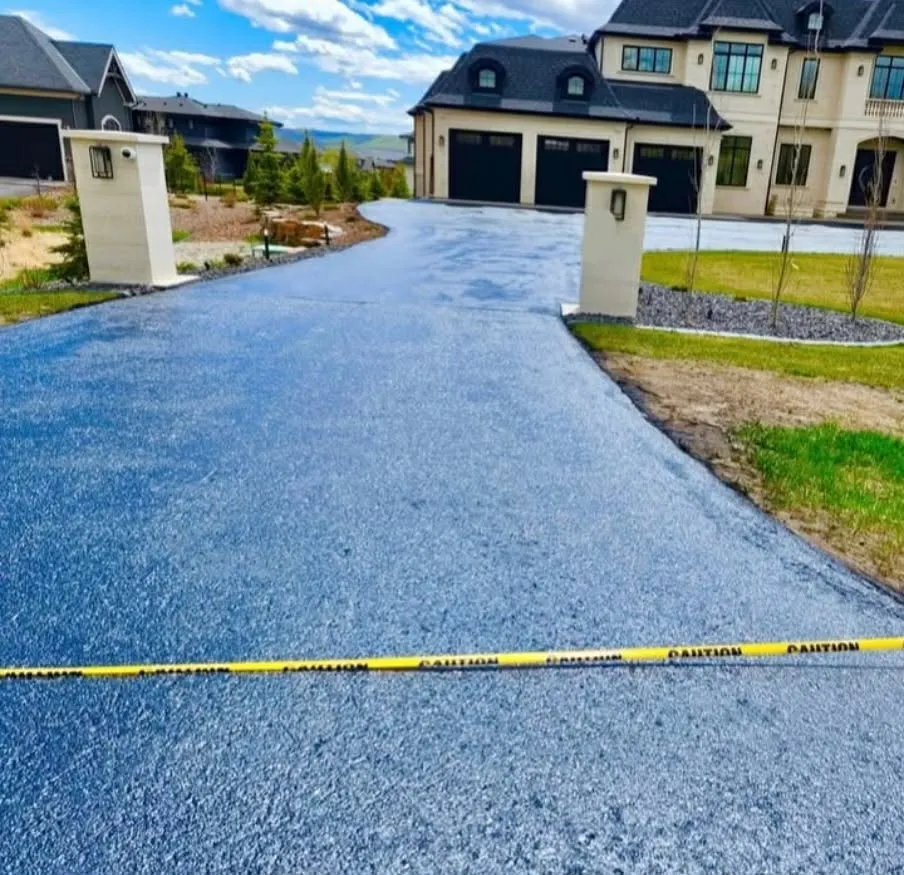
A long, freshly sealcoated driveway leading to a large modern home, taped off while it cures
Right Choice Asphalt · Philadelphia, PA

Blacktop,
done right.

Residential and commercial sealcoating, pothole repair, crack filling and line striping that bring a tired, gray driveway back to deep, even black, and help it last for years longer.

Before & after

Drag to see
the difference.

Real driveways, before we started and after we finished. Slide the yellow handle across each photo.

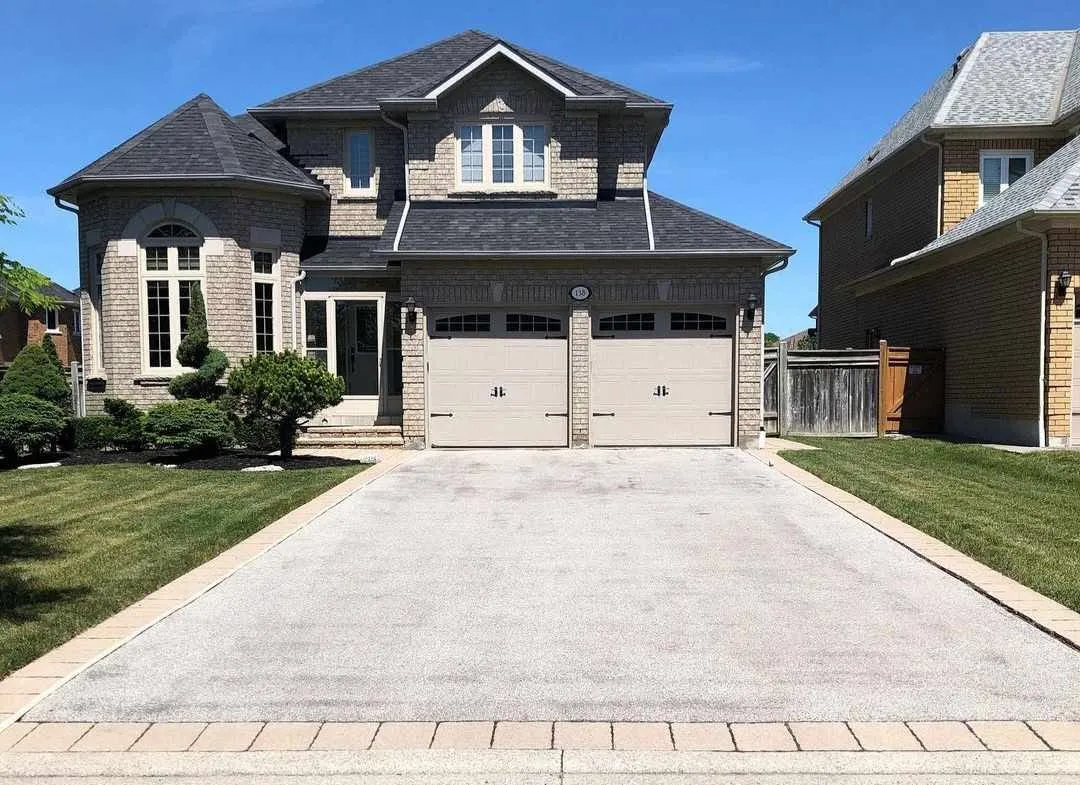
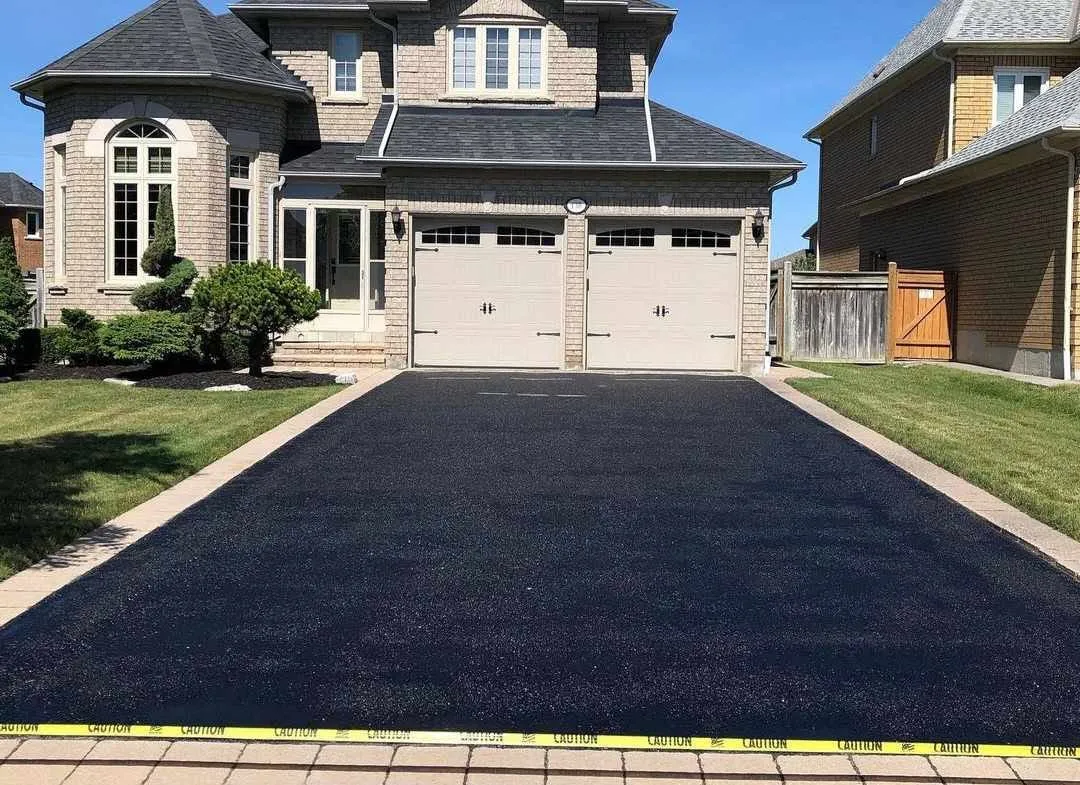
Before: faded, gray driveway After: freshly sealcoated black driveway BeforeAfter
Two-car drivewaySealcoating
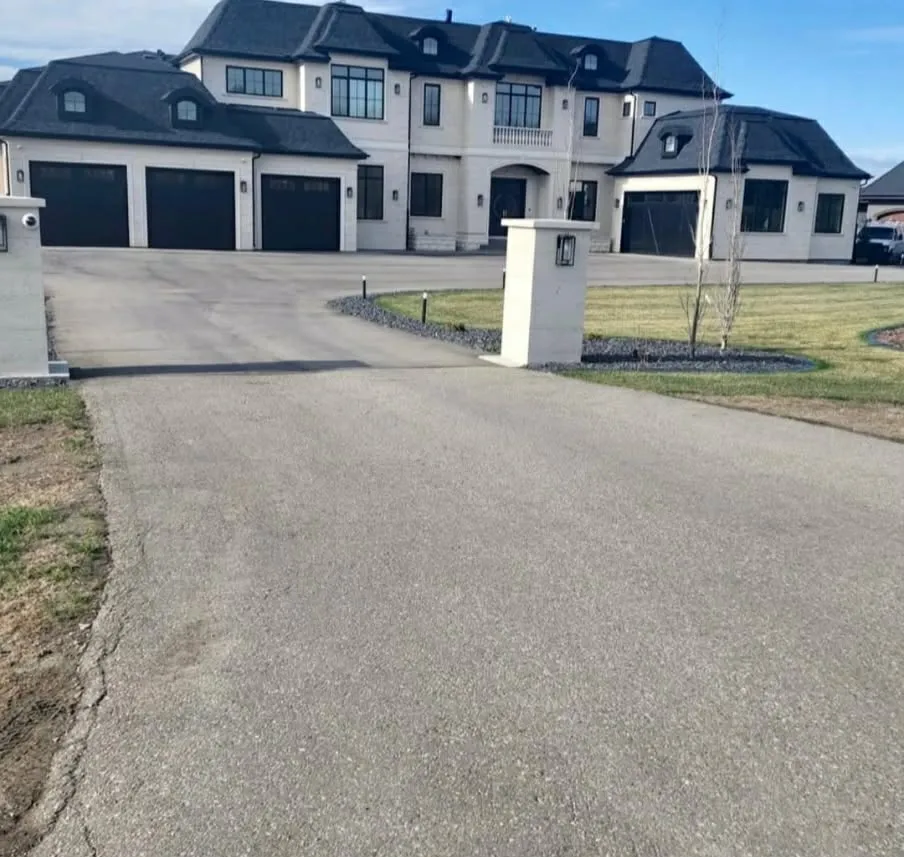
Before: weathered gray driveway at a large home After: deep black sealcoated driveway BeforeAfter
Estate driveSealcoating
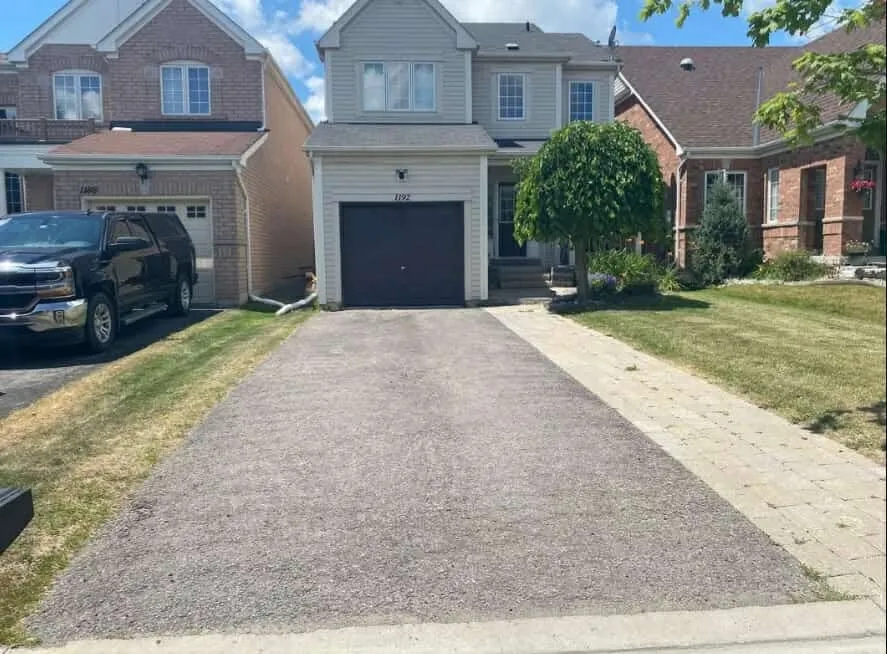
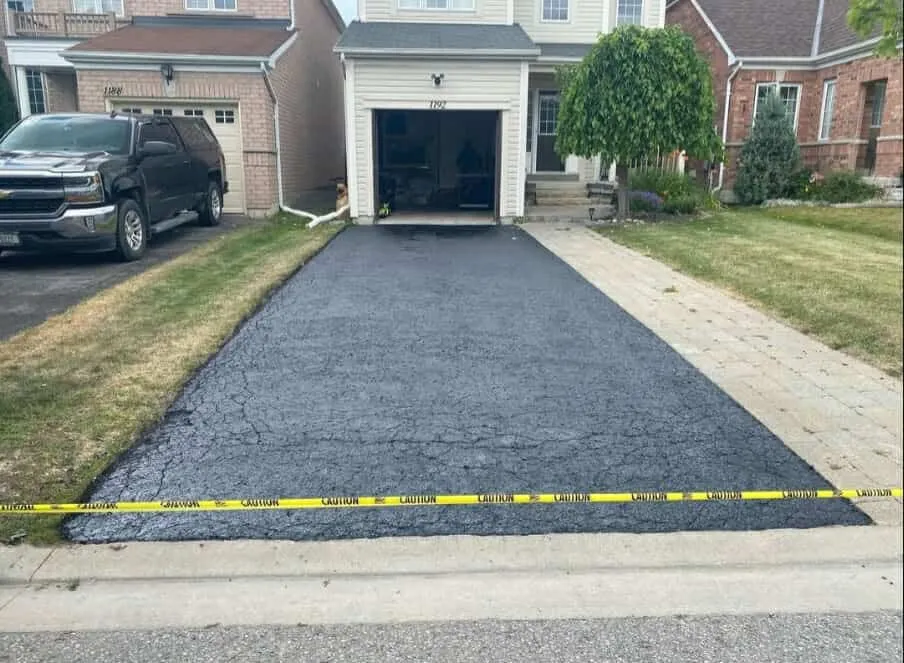
Before: worn driveway at a townhouse After: sealcoated driveway taped off to cure BeforeAfter
TownhouseSealcoating
Before: cracked, gray driveway After: crack-filled and sealcoated driveway BeforeAfter
Single-lane driveCracks + Sealcoat
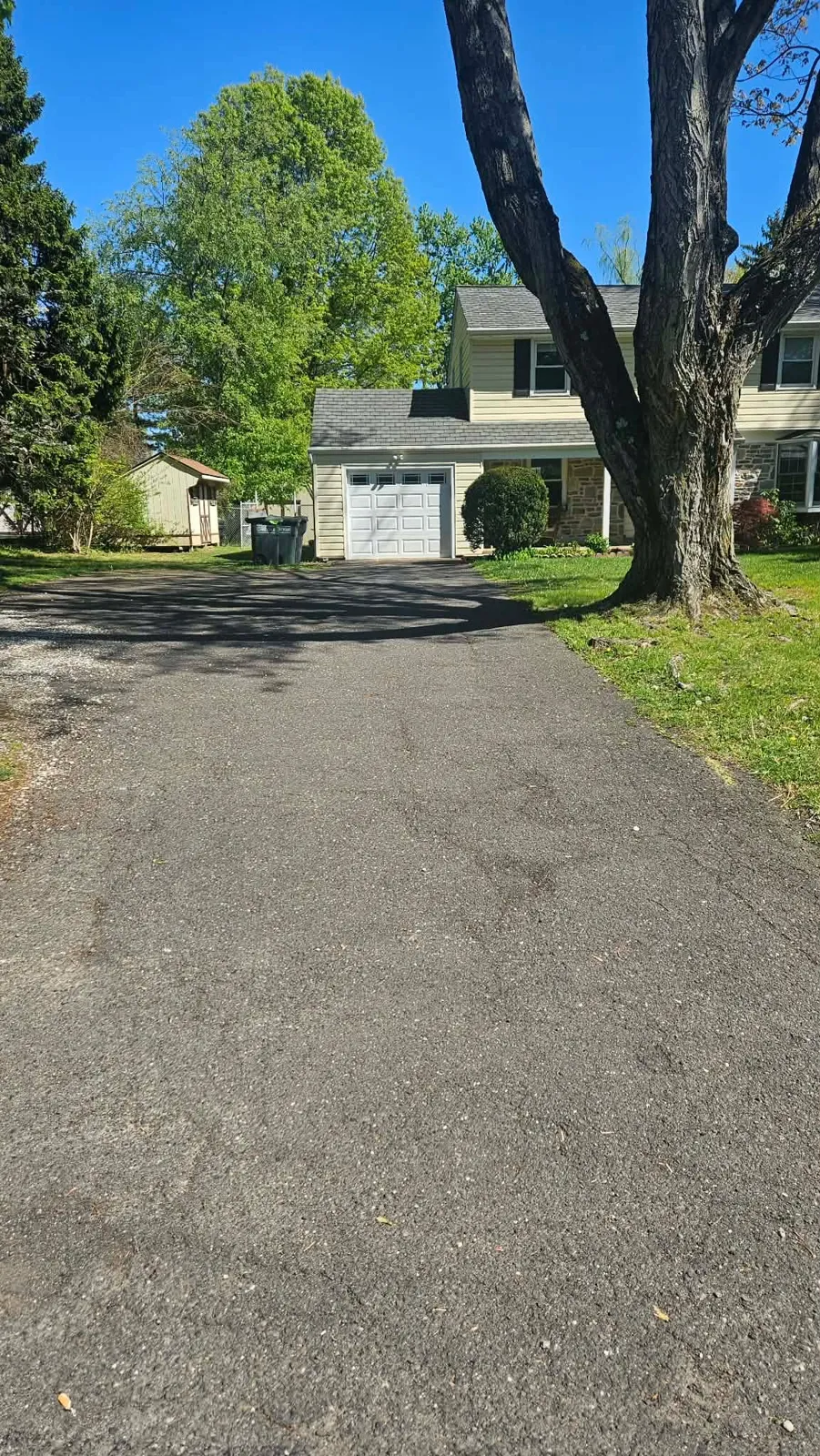
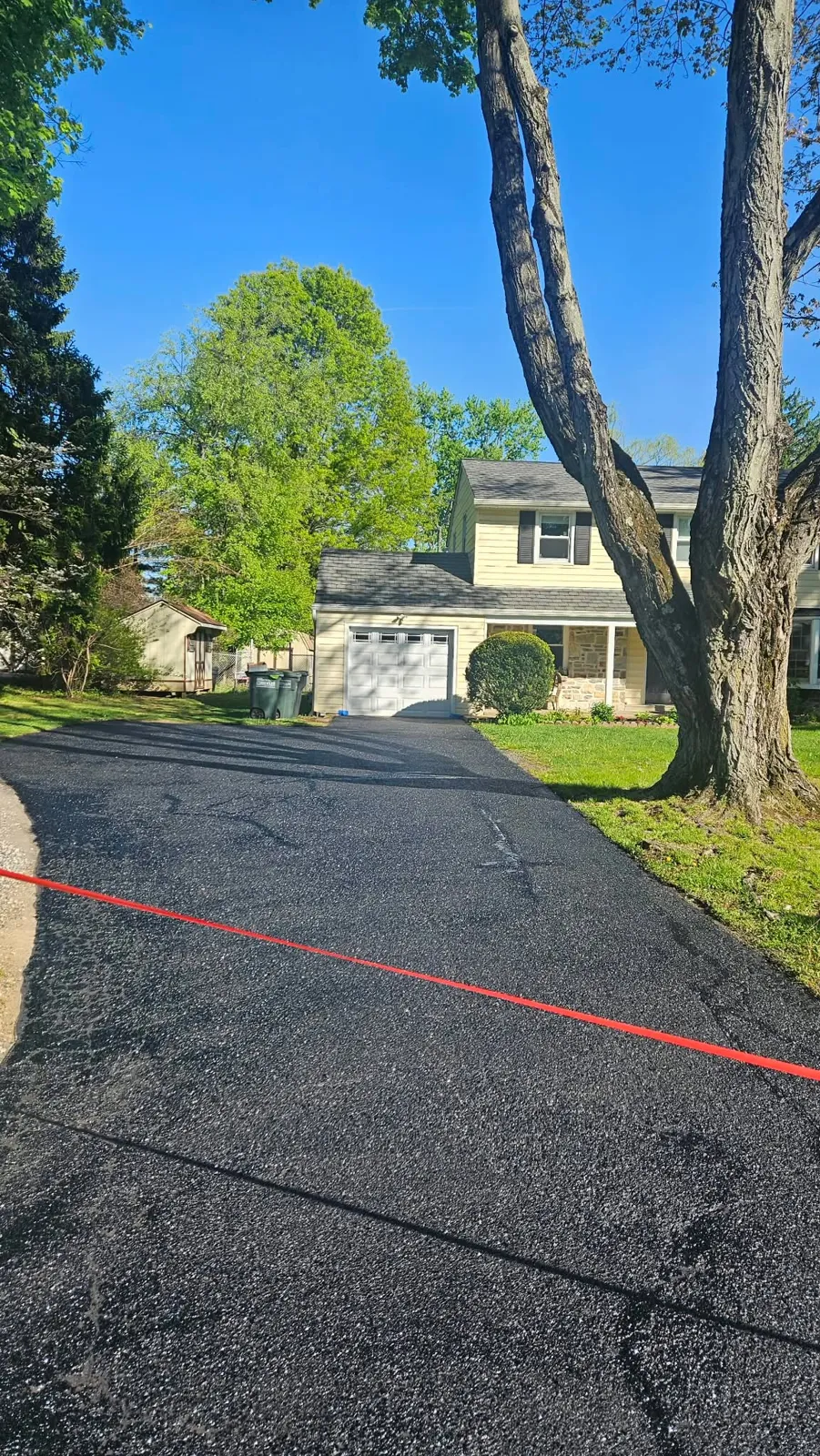
Before: faded driveway under a large tree After: freshly sealed driveway BeforeAfter
ColonialSealcoating
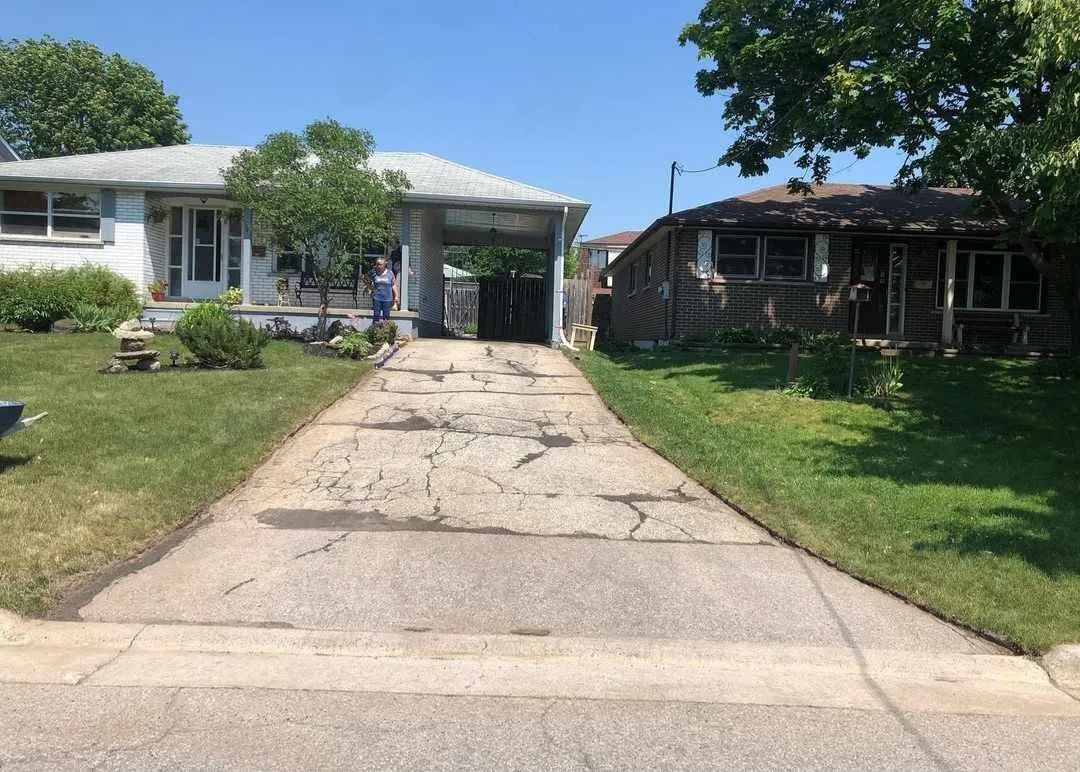
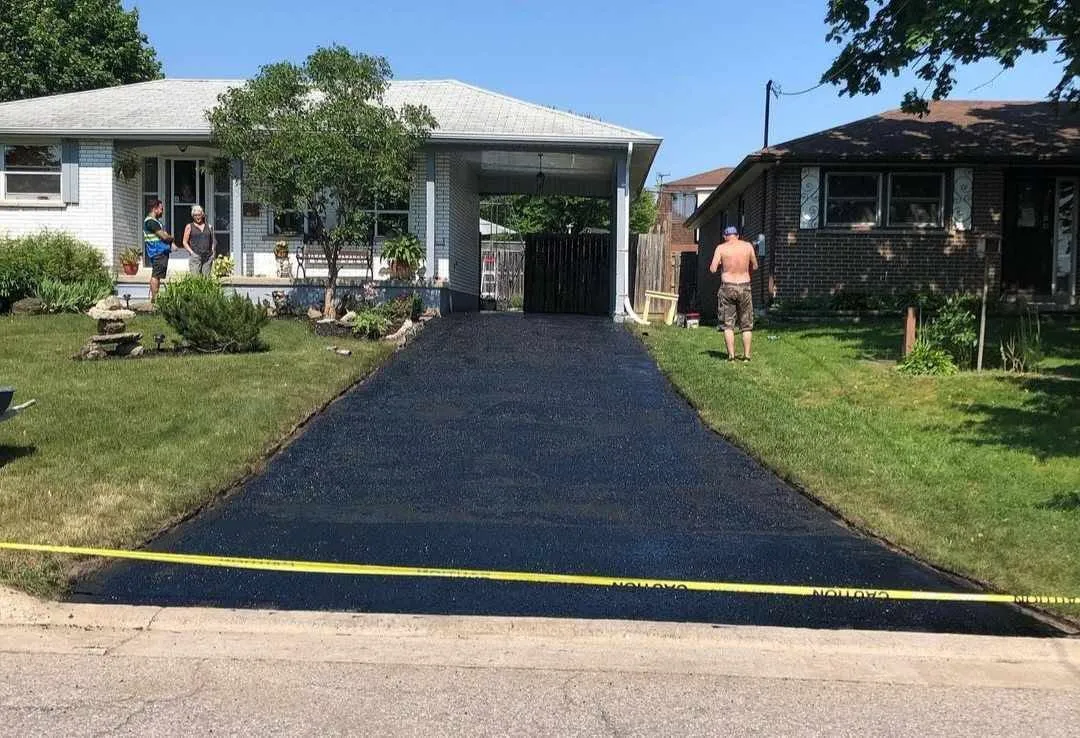
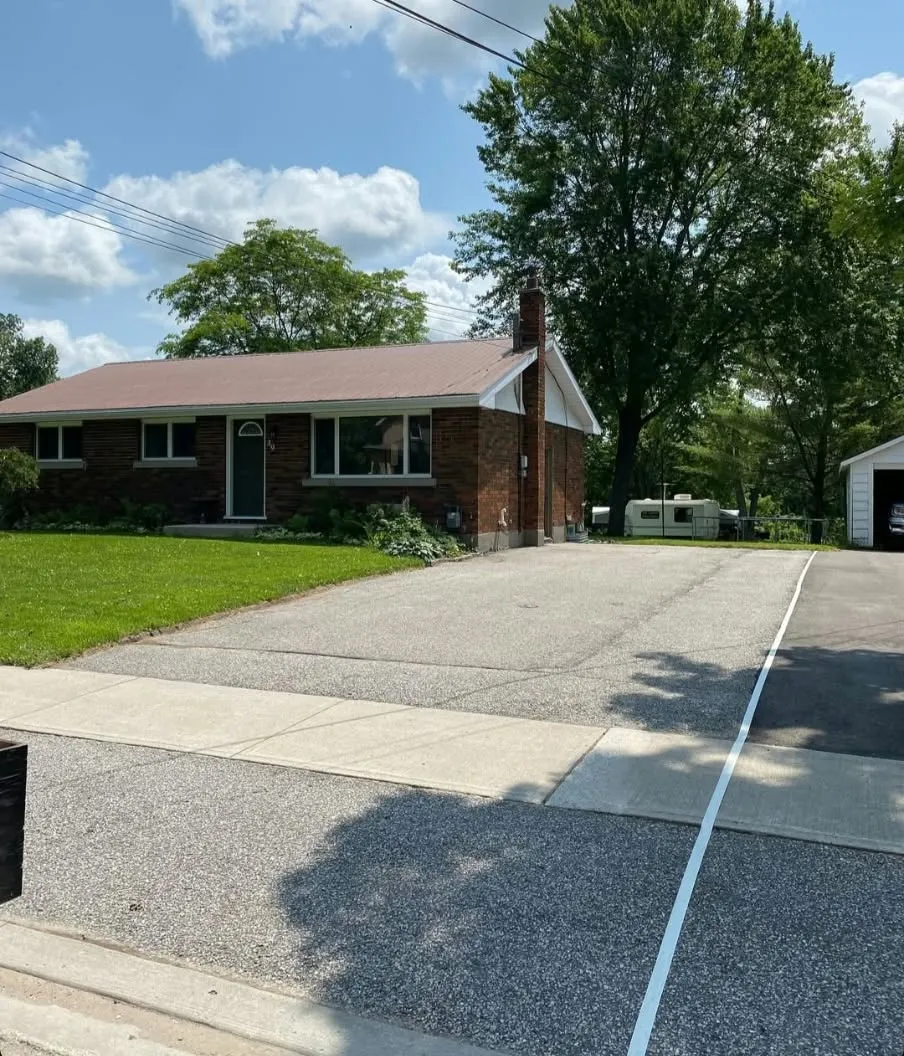
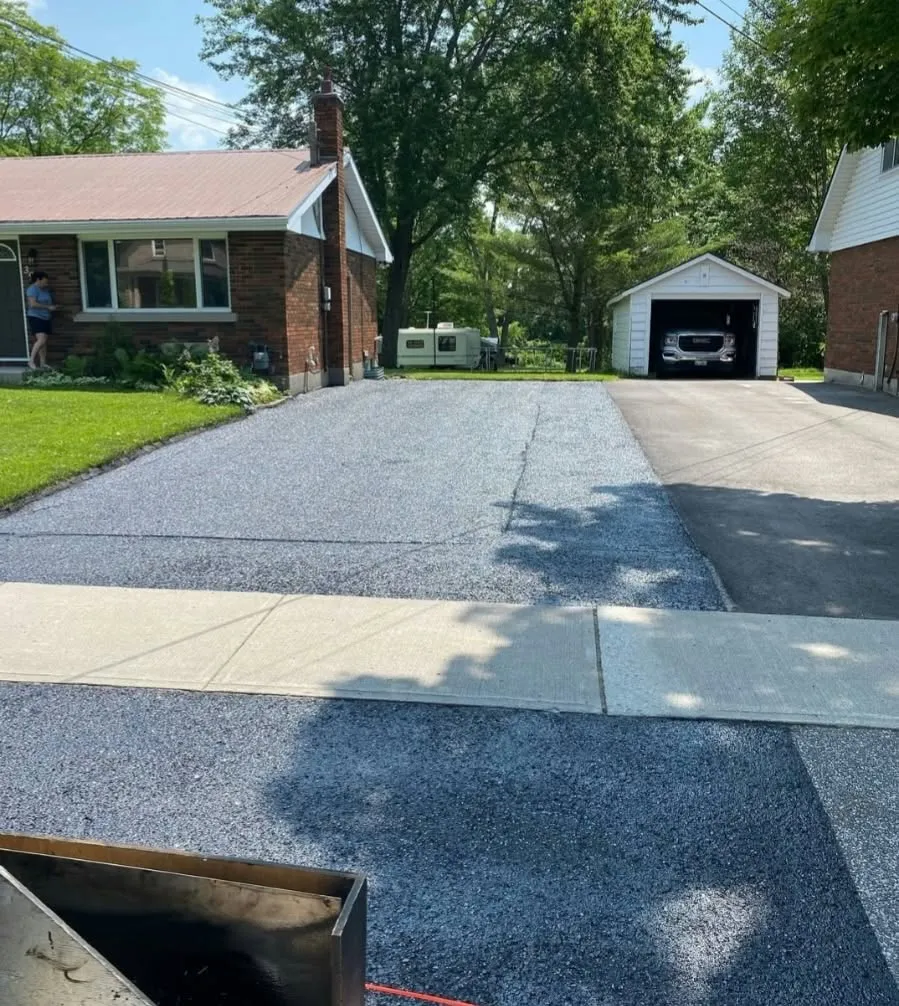
Before: gray driveway at a brick ranch house After: black sealcoated driveway BeforeAfter
Brick ranchSealcoating
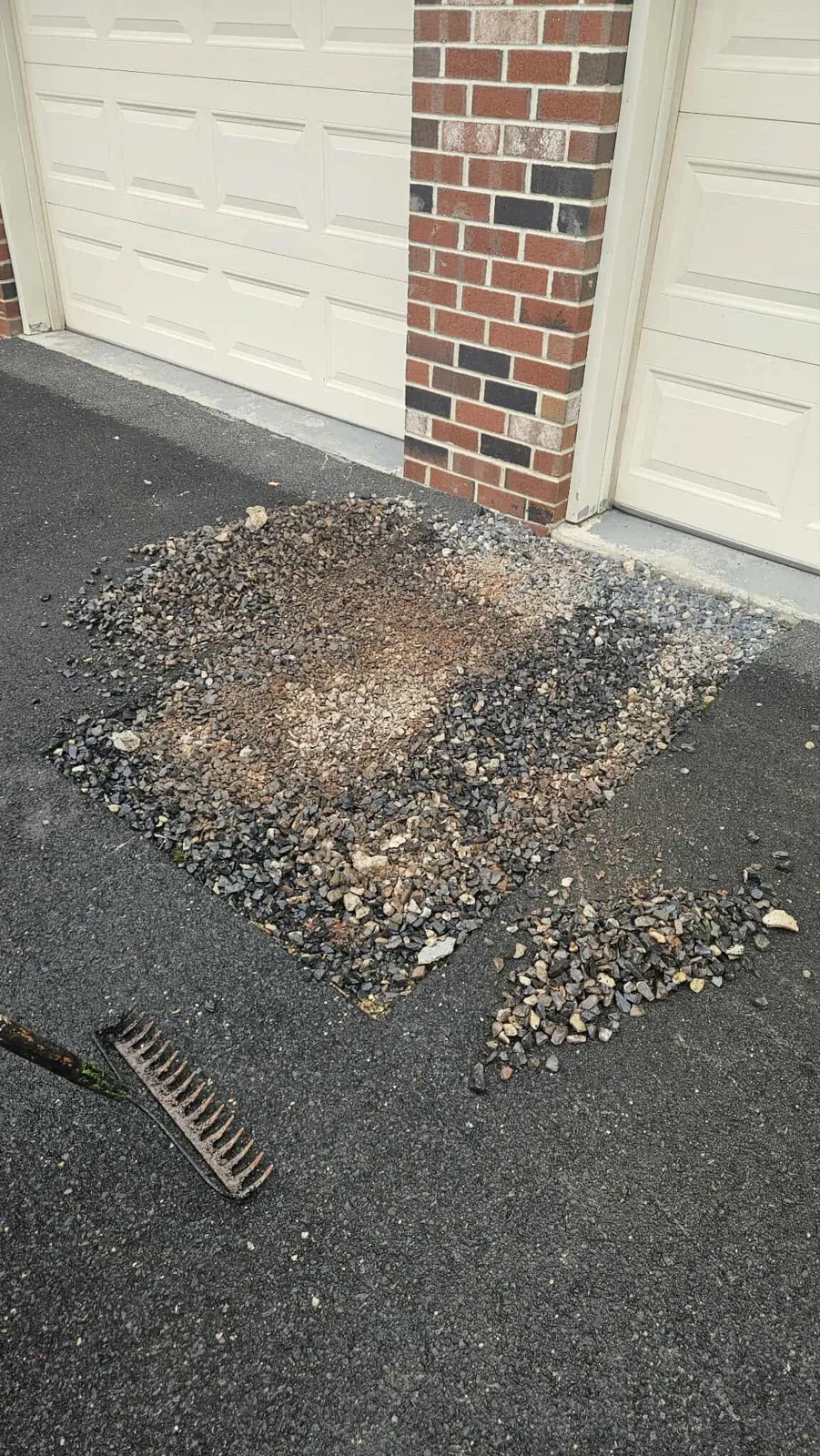
Before: a failed section of driveway dug out to stone After: the section rebuilt with new asphalt BeforeAfter
Garage apronPatch repair
The asphalt guide

What your driveway needs, and when.

Most asphalt doesn't fail all at once. It fades, then cracks, then breaks apart. Catching it early is the difference between a few hundred dollars of maintenance and tearing it out. Here's how each service fits in.

01

Sealcoating

The routine maintenance that keeps good asphalt good.

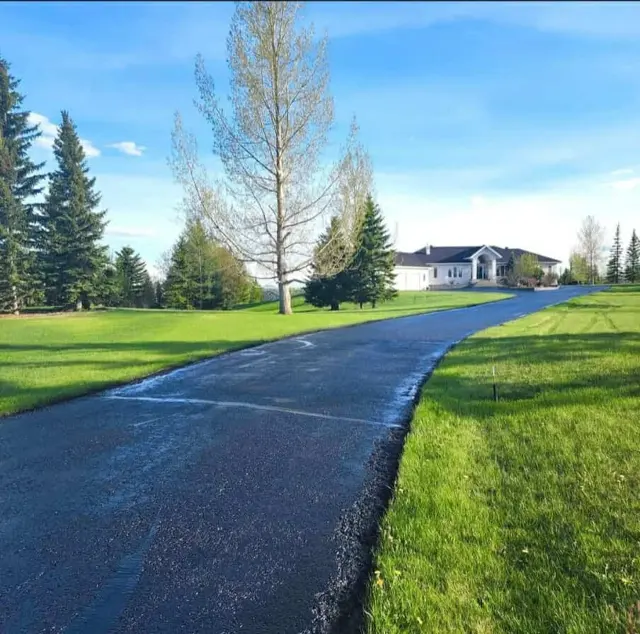
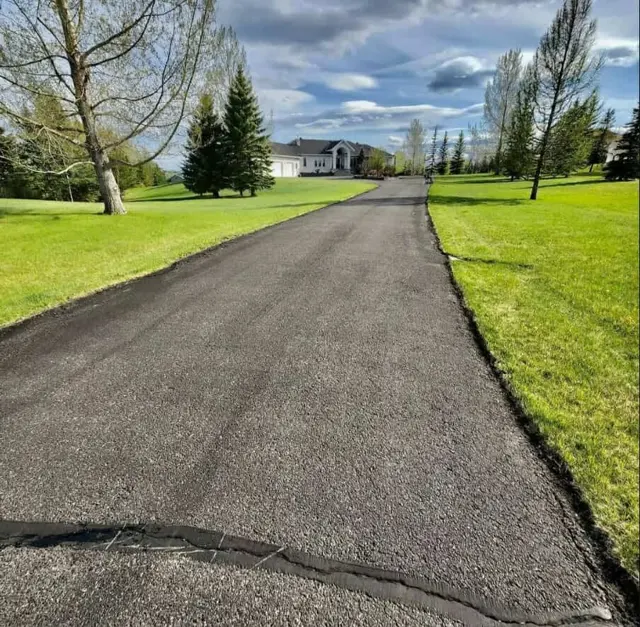
Long country driveway freshly sealcoated

What it is

A liquid coating, usually refined coal tar or asphalt emulsion mixed with sand and additives, spread over the whole surface. It fills the fine pores in aging asphalt and forms a barrier between the pavement and everything that breaks it down.

Signs you need it

  • Surface has faded from black to gray
  • Loose stones or a rough, sandy texture
  • Water soaks in instead of beading
  • Oil and gas stains
  • Fine hairline cracks starting to show

How often

  • New asphalt: wait until it has cured, typically 6 to 12 months
  • After that: generally every 2 to 3 years
  • Heavy use or full sun may need it sooner

What it protects against

  • UV rays that dry asphalt out and make it brittle
  • Rain and snowmelt soaking into the base
  • Oil, gas and road salt

After we leave

  • Stay off it on foot for about a day
  • Keep cars off for about 48 hours
  • Caution tape stays up until it's ready
02

Crack Filling

Small cracks are cheap to seal. Ignored, they turn into potholes.

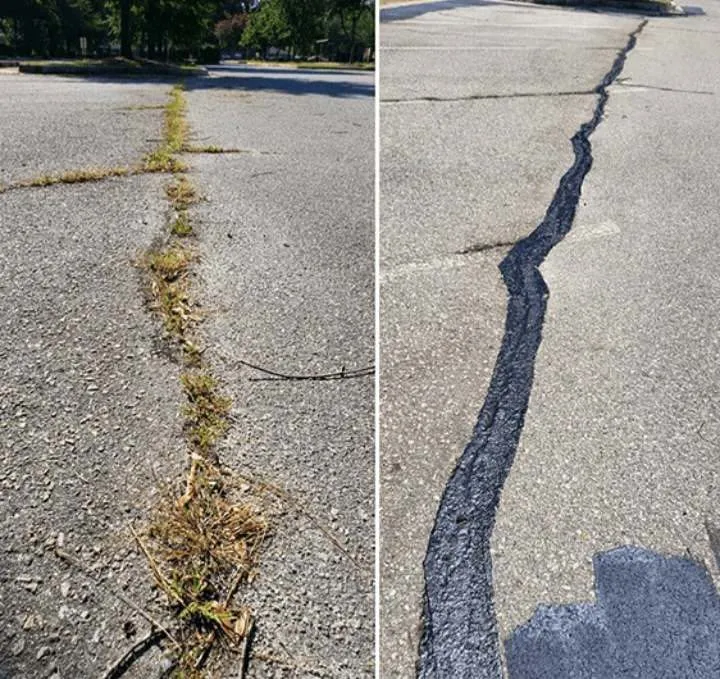
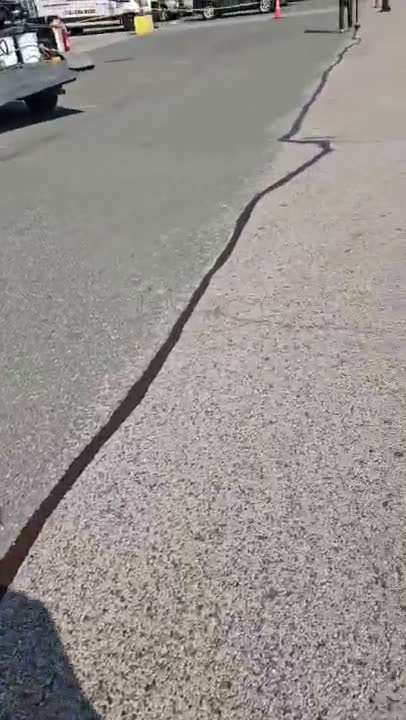
A weedy crack before, and the same crack filled and sealed after

What it is

Cracks are cleaned out (weeds, dirt and loose material removed) and filled with a flexible rubberized filler that bonds to the edges and moves with the pavement as it expands and contracts with the seasons.

Signs you need it

  • Cracks wider than about 1/4 inch
  • Grass or weeds growing out of cracks
  • Cracks along the edges of the drive
  • Old filler that has pulled away

Why it matters

  • Water in a crack freezes, expands and widens it every winter
  • Water reaching the stone base softens it and causes sinking
  • One season can turn a crack into a pothole

Best timing

Fill cracks before sealcoating, so the whole surface is sealed in one go. Spring and fall are ideal for crack work, when cracks are open moderately wide. Spider-web or "alligator" cracking is a different problem: it usually means the base underneath has failed, and that area needs patching rather than filling.

03

Pothole & Patch Repair

When a section is past saving, rebuild just that section.

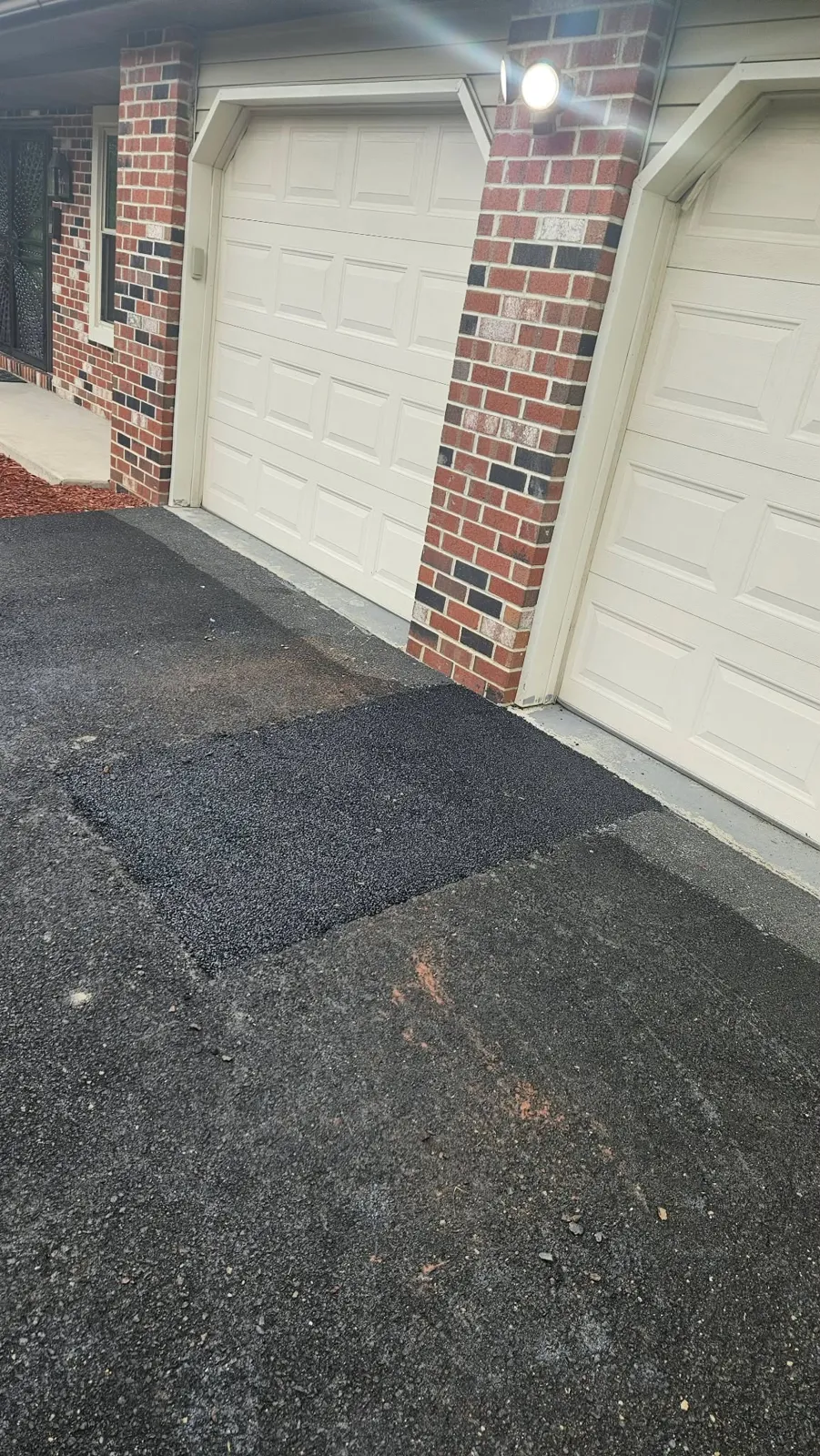
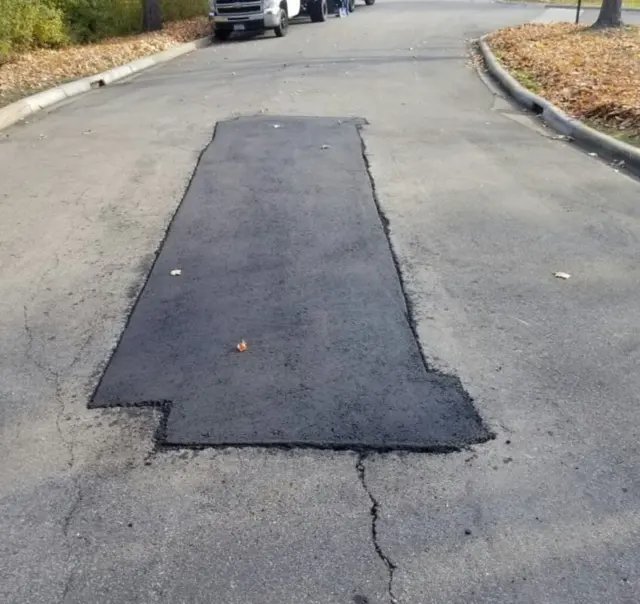
A rectangular asphalt patch in a driveway

What it is

The damaged area is cut back to solid edges, loose material and failed base removed, and new hot asphalt placed and compacted. The result is a clean, square repair that ties into the existing pavement instead of a lump of cold patch that pops out by spring.

Signs you need it

  • Potholes or missing chunks
  • Alligator cracking (a web of connected cracks)
  • Sunken spots or dips that hold water
  • Crumbling edges or garage aprons

Common spots

  • Where the drive meets the street
  • In front of the garage door
  • Low spots where water collects
  • Where trucks or trailers park

Patch or replace?

If damage is limited to a few areas and the rest of the driveway is sound, patching is the smart, affordable fix, and a sealcoat afterward blends it all together. If most of the surface is breaking up, patching becomes a losing game and it's time to talk about repaving.

04

Lots & Commercial

The same protection, scaled up for parking lots and shared drives.

Crack sealing in a shopping center parking lot

What it includes

Crack sealing across the lot, pothole and patch repair, sealcoating and line striping, done in sections where needed so the property can stay open. A well-kept lot looks better to customers and costs far less over time than an early repave.

Signs you need it

  • Long cracks running across drive lanes
  • Faded, gray surface and dull striping
  • Potholes near entrances and dumpsters
  • Standing water after rain

Planning it

  • Work can be scheduled for slower days or hours
  • Sections are taped off and reopened as they cure
  • Plan crack sealing every year or two, sealcoat every few
  • Restripe after sealcoating
05

Line Striping

Clear lines keep a lot safe, organized and looking cared for.

A commercial parking lot

What it is

Painting the markings that make a lot work: parking stalls, arrows and directional markings, crosswalks, fire lanes, loading zones and accessible (handicap) spaces. We do all types of parking lot striping.

Signs you need it

  • Lines faded or hard to see, especially at night or in rain
  • Drivers parking crooked or across two spaces
  • Missing arrows or crosswalks
  • Accessible spaces that are worn or unclear

When to do it

  • Right after sealcoating, since fresh sealer covers the old lines
  • When lines have faded, often every year or two on busy lots
  • When you change the layout of the lot
06

Paving & Resurfacing

Not our main line of work, but we'll tell you if you need it, and where to go.

A long asphalt driveway through a lawn

Resurfacing (overlay)

A new layer of asphalt, typically about 1.5 to 2 inches, laid over the old surface. Works when the base is still solid but the top is worn out and widely cracked.

Full replacement

Tearing out the old driveway, rebuilding the stone base and paving new. Needed when the base has failed: widespread alligator cracking, sinking and drainage problems.

Signs it's time

  • Cracking and breakup across most of the surface, not just a few spots
  • The driveway is roughly 20 to 30 years old and has had little maintenance
  • Repeated patches keep failing
  • Water drains toward the house or pools across the drive

We focus on sealcoating and repair. If your driveway is past that point, we'll say so honestly and point you to a paving contractor. Once it's paved, we can keep it protected.

Ask us
Quick diagnosis

Look down. What do you see?

A walk-around guide to what common driveway problems mean, and what usually fixes them.

You seeWhat it meansUsually needs
Gray, faded surface

The binder on top is oxidizing from sun exposure. Asphalt is drying out and getting brittle.

Sealcoating
Loose stones, rough texture

The surface is raveling: aggregate is coming loose as the binder wears away.

Sealcoating
Single cracks, weeds in them

Water and roots are getting into the pavement and working their way down.

Crack filling
Web of small cracks

"Alligator" cracking. The base below that area is weak or wet.

Patch repair
Potholes, missing chunks

Water got under the surface and the pavement broke apart.

Patch repair
Dips that hold water

The base has settled. Standing water speeds up damage around it.

Patch repair
Faded parking lines

Paint wears off under traffic, plows and weather, and sealcoating covers it.

Line striping
Broken up nearly everywhere

The driveway has reached the end of its life. Maintenance can't bring it back.

Paving (referral)
Timing

The season matters.

Sealcoating needs warm, dry weather to cure properly. In the Philadelphia area that generally means late spring through early fall.

Winter

Too cold to seal. A good time to look for cracks and plan spring work.

Spring

Crack filling and patching once it warms up. Sealcoating starts when days stay warm and dry.

Summer

Prime sealcoating season. Warm, dry days and fast curing.

Fall

Seal before winter while it's still warm enough, so the surface goes into freeze-thaw protected.

How a sealcoating job goes

Estimate

We look at the driveway, point out cracks or problem spots, and give you a price.

Clean

Edges trimmed, debris and dirt blown off, oil spots treated.

Repair

Cracks filled and any failed spots patched first.

Seal

Sealer applied evenly across the whole surface, edge to edge.

Cure

Taped off until it's ready to walk on, then drive on.

Our work

Fresh black.
Clean edges.

Walk-through of a finished driveway
Crack sealing a shopping center lot
Questions

Good to know.

How long before I can drive on it?

Typically about 24 hours before walking on it and around 48 hours before driving on it, depending on temperature and humidity. We'll tell you for your job, and the tape stays up until it's ready.

What if it rains?

Sealer needs dry weather to bond and cure. We watch the forecast and reschedule if rain is expected soon after application.

How often should a driveway be sealcoated?

Generally every two to three years. Sealing every year usually isn't necessary and can build up a layer that peels.

My driveway is brand new. Should I seal it now?

Not right away. Fresh asphalt needs time to cure, typically 6 to 12 months, before it should be sealed.

Will sealcoating fix my cracks?

No. Sealer coats the surface but doesn't fill cracks. Cracks need to be filled first, which is why we do crack work before sealing.

Do you do paving?

Full paving isn't our main line of work. If your driveway needs to be repaved, we'll tell you honestly and point you in the right direction. Once it's paved, we can keep it sealed and maintained.

Do you work on parking lots?

Yes. We work on both residential and commercial properties, including crack filling, pothole repair, sealcoating and all types of parking lot striping.

Is the estimate free?

Yes. Call (445) 265-3636 to schedule.

Free estimates

Make the
right choice.

Call to schedule a free estimate. We like to talk through the job with you, or send your address and a photo or two of your driveway or lot.

Philadelphia, PA & areaResidential & commercialblacktopdrivewayspa@gmail.com